Repair, Replace, or Enhance? The 2026 Strategy for High-OEE Material Handling Systems
In the era of PM Gati Shakti and Atmanirbhar Bharat, Indian manufacturing is no longer about just “running” a plant it is about Throughput Optimization. As your material handling system ages, it either remains a strategic asset or becomes an “Energy Vampire” that bleeds your ROI.
At Dhanvanthri Engineers, with a legacy of 8,000+ projects since 1983, we’ve moved beyond basic patchwork. We help Plant Heads navigate the “Brownfield Challenge”: knowing exactly when to nurture a component and when to execute a high-precision replacement.
Here is the Engineering Diagnostic Tool for your core facility components.

1. The Component-Level Audit: "The Breakdown Signals"
A. Conveyor Belts: Carcass Integrity vs. TPH Loss
In the FMCG and Detergent sectors, chemical exposure often degrades belts faster than mechanical wear.
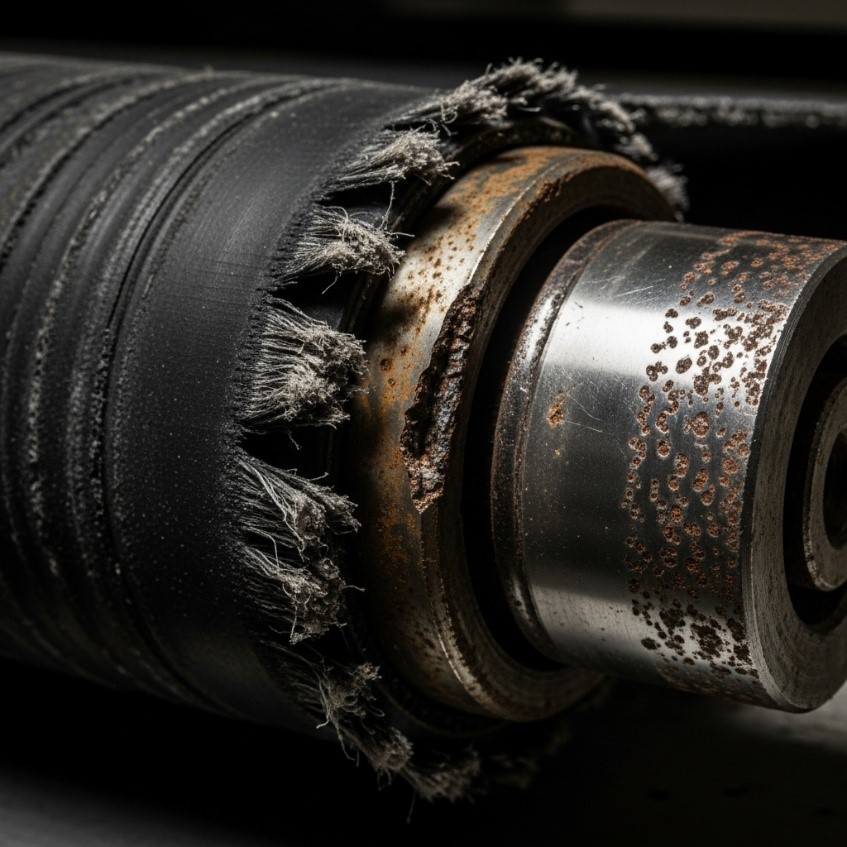
- The Signal: Look for Carcass Exposure. If the internal fabric or steel cords are visible, moisture and chemical ingress will rot the core, leading to sudden snaps.
- The Diagnostic: Persistent Tracking Failure. If a belt refuses to center despite pulley adjustments, the internal tension members are “bowed.” This causes uneven TPH (Tons Per Hour) and high friction.
- Expert Fix: Repair minor gouges with cold vulcanizing, but replace immediately if structural fatigue is detected to avoid a total line halt.
B. Rollers & Pulleys: The “Physics of Friction”
- The Signal: The “High-Pitch Squeal.” This isn’t just noise; it’s the sound of a seized bearing. A seized roller acts like a brake, increasing Motor Load by 15%.
- The Diagnostic: Shell Thinning or Flat Spots. Worn rollers create a “hammer effect” that destroys the belt’s bottom cover.
- Expert Fix: If the pulley shaft shows Excessive Run-out (Wobble), it is a ticking time bomb. Replace it before it snaps and causes a catastrophic safety hazard.
C. Chains & Buckets: The 2% Elongation Rule
Crucial for Agri-logistics and Heavy Engineering elevators.
- The Signal: Pitch Elongation. Once a chain stretches beyond 2% of its original pitch, it will no longer “seat” on the sprocket.
- The Diagnostic: Sprocket Jumping. If the chain vibrates or “jumps” during startup, the synchronization is gone.
- Expert Fix: Don’t just replace the chain; check the sprocket wear-pattern. Using a new chain on a worn sprocket is a recipe for rapid wear-out.
D. Motors & Panels: From Legacy to Smart-Drives
- The Signal: Thermal Tripping. Frequent trips indicate compromised winding insulation or an overloaded VFD (Variable Frequency Drive).
- The Diagnostic: The Energy Gap. Old IE1/IE2 motors are the biggest reason for high electricity bills in Indian factories.
- Expert Fix: In 2026, PLC Obsolescence is a real risk. If your controls are no longer supported by the OEM, one chip failure can stop your plant for weeks. Transitioning to IE4 Motors often pays for itself via Energy Savings within 12–18 months.
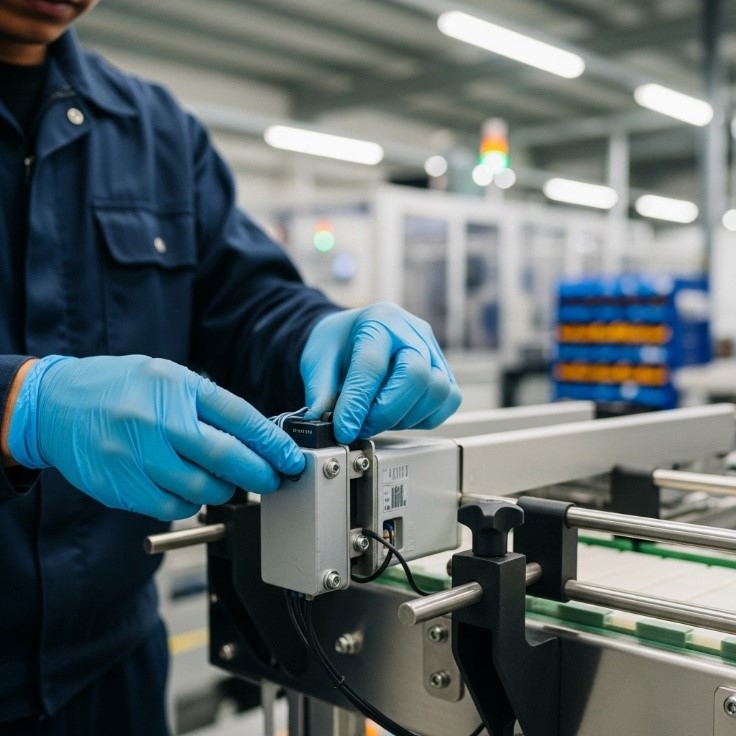
2. The "Expert Perspective" on Enhancement (Brownfield Optimization)
Why invest in a massive Greenfield project when you can unlock 40% more capacity from your existing footprint? Retrofitting is the smartest way to achieve Industry 4.0 standards:
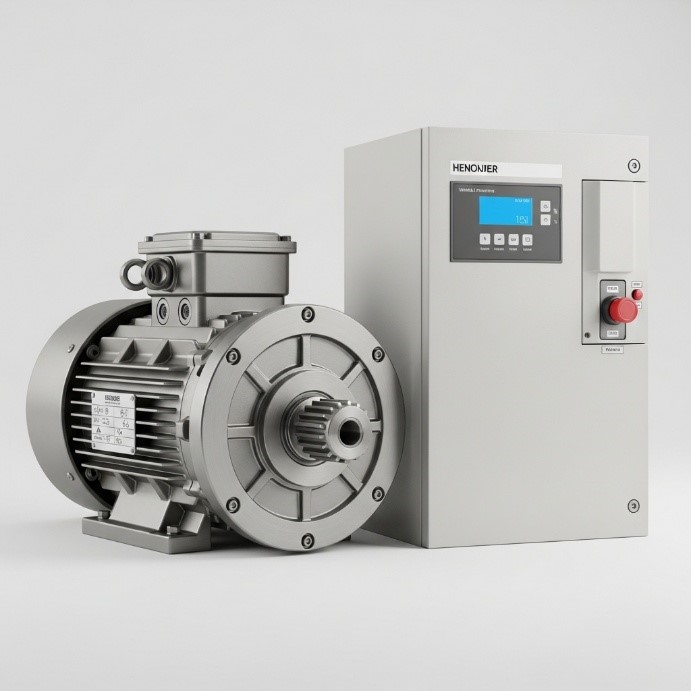
- Upgrade the Muscles: Swap out power-hungry drives for High-Efficiency Geared Motors.
- Upgrade the Brain: Integrate IoT-enabled Sensors and Smart Panels to turn a “dumb” conveyor into a data-driven system.
- The Result: 90% performance of a new system at 40% of the CAPEX. We call this Sustainable Manufacturing.
3. The 50% Decision Framework
If you are unsure, apply the Dhanvanthri 50% Rule:
If the cost of unplanned downtime, energy wastage, and frequent repairs over 12 months exceeds 50% of the cost of a new, high-performance system it is no longer an asset; it is a liability.
Stop repairing the past. Start designing the flow.
Not sure which path to take?
Let our engineering team conduct a Technical Health Audit of your system. We don’t just sell steel; we solve bottlenecks.