Critical Minerals in India: Why Your Handling System is the Secret to the Green Energy Race
If you’ve spent any time in the boardroom or on the shop floor recently, you know the word of the year isn’t just “production” it’s Transition.
With the Indian government’s aggressive push toward the National Critical Minerals Mission (NCMM), we are no longer just talking about coal and iron ore. We are entering the era of Lithium, Copper, Nickel, and Cobalt. Whether it’s for EV batteries in Pune or solar grids in Rajasthan, the demand for these minerals is skyrocketing.
But here’s the reality that most “thought leadership” blogs miss: Critical minerals are a massive headache to handle.
1. High-Performance Conveying for High-Value Ore
In a standard plant, a conveyor failure is a problem. In a critical mineral processing plant, a failure is a financial disaster.
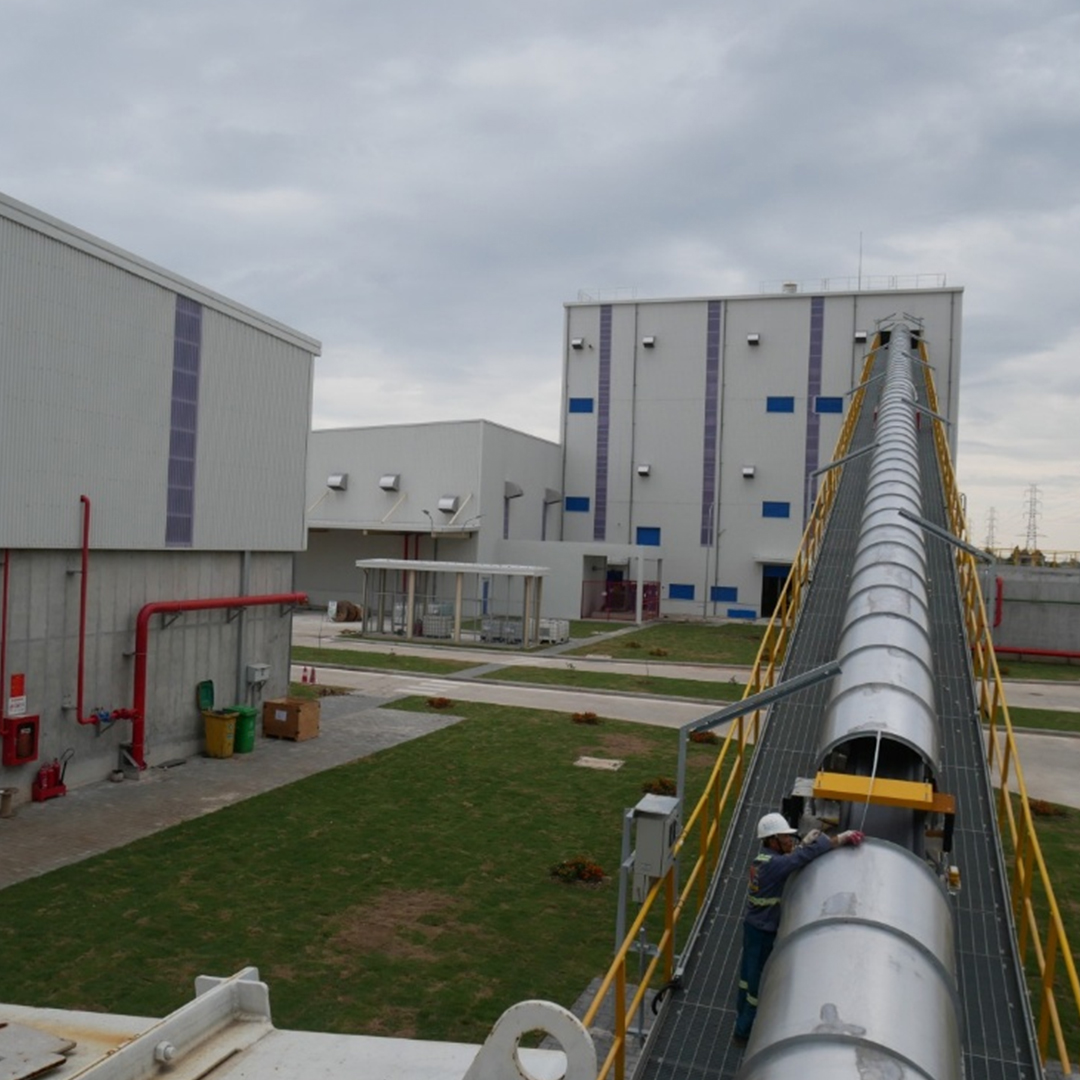
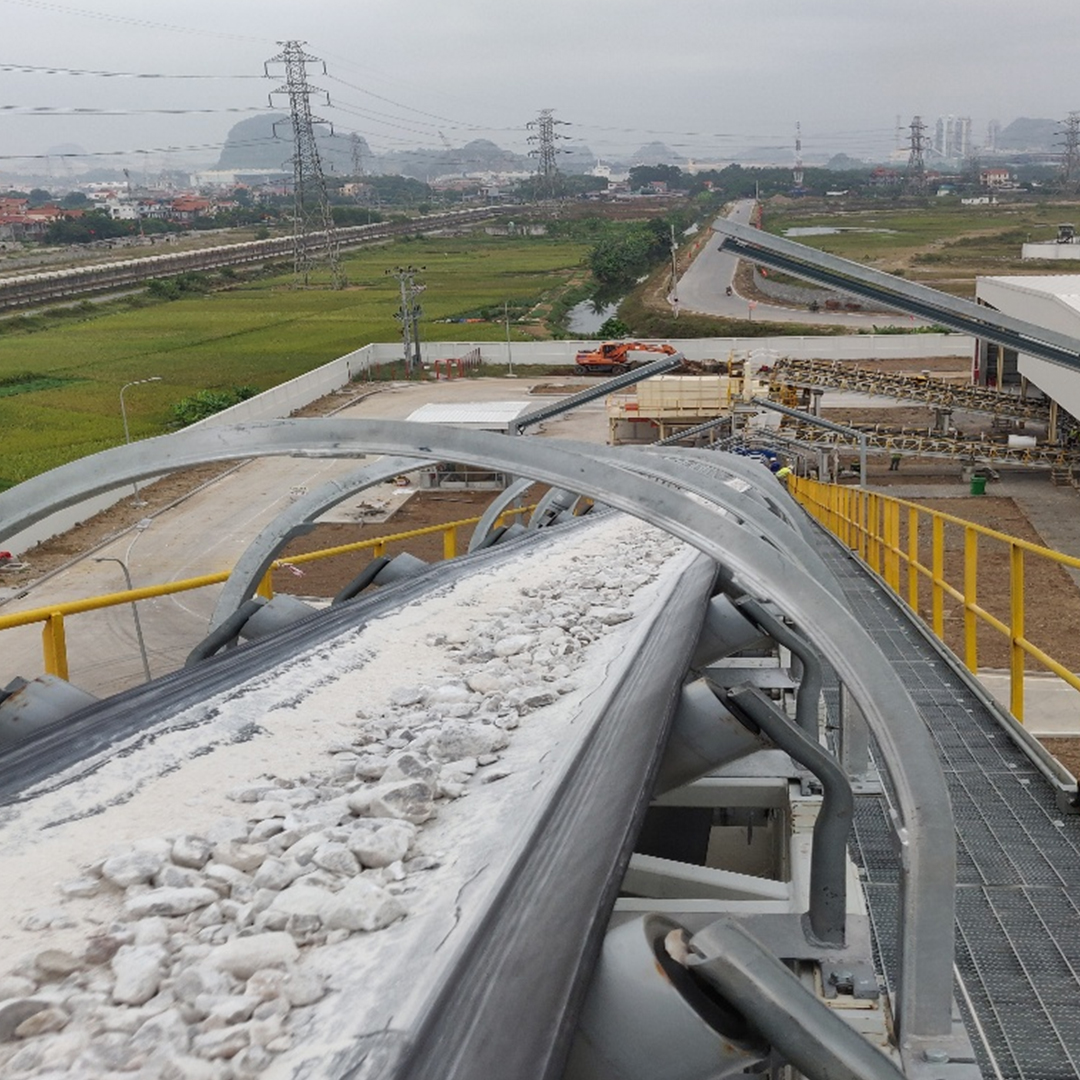
Minerals like Copper and Lithium are often abrasive or require precise moisture control. To move these large amounts of ore without creating bottlenecks, plants are increasingly turning to advanced conveying systems and accurate feeding equipment. These ensure that raw materials flow smoothly through the crushing, grinding, and separation processes.
2. The ROI of "Green" Mining
A lot of people hear “Energy Transition” and think it’s just about CSR. But as a Plant Head, you know the truth: Energy transition is about Operational ROI.
The minerals required for the green shift are expensive. If you are still using 20-year-old designs to move 21st-century minerals, your OpEx will kill your margins. Modern systems, like our Z type bucket elevators, are built to reduce power consumption and eliminate spillage directly impacting your payback period.
3. Embracing Automation and Control
The biggest change in the sector is the quick adoption of automation. To maximize the recovery of critical minerals from lower-grade ores, processing plants require strict operational control.
When your control systems are integrated with high-efficiency motors, you aren’t just moving material; you are managing a data-driven production line that minimizes human error and maximizes uptime.
4. The Human Element: What’s your "3 AM Headache"?
Let’s be honest. No Plant Head wants a 3 AM call because a jammed conveyor stopped the entire feed. When we talk about the “Role of Critical Minerals,” we are really talking about the reliability of the machines that move them.
The Future of Energy Depends on Precision
The shift to renewable energy is accelerating. As EV adoption increases and renewable energy grids expand, dependence on mining will deepen. The winners in this new era will be operations that prioritize efficiency and technology.
Extracting critical minerals is complex, but the systems used to process them don’t have to be. By leveraging advanced automation and strong material-handling solutions, mining companies can meet future demands head-on. It takes more than just geology to power the energy transition; it takes smart engineering and precise control.
Start Building Smarter Systems Today
Whether you support the mining, processing, or manufacturing of critical minerals, your system’s performance is critical. Magnum Systems understands the unique challenges of the mining and minerals industry. We don’t just supply equipment; we have the deep expertise to partner with industrial manufacturers to design integrated, automated end-to-end systems that enhance your plant’s precision, safety, and sustainability.
Ready to optimize your operation for the critical minerals boom? Contact us today to talk about your specific needs.
The Dhanvanthri Takeaway
As India shifts toward these critical minerals, we aren’t just providing equipment. We are providing the logistics backbone for the energy transition.